
Driving Costs by Region: How Where You Live Changes What You Pay
Key takeaways
- Car insurance can differ by £300–£850+ a year purely based on postcode, with London consistently the most expensive region
- Edinburgh, not London, ranks as the UK's most expensive city to park overall once permits and commuter rates are combined — though London has the highest short-stay rate
- Not every Clean Air Zone charges private cars — Bath and Bradford don't, while Birmingham and Bristol do; this is a genuinely common misconception
- Fuel prices vary by 12p+ per litre between UK regions, and motorway services charge 15–25p above nearby towns
- Fuel prices are currently elevated UK-wide due to global events — treat any specific pence-per-litre figure as a snapshot, not a stable planning number
Two drivers with identical cars, identical driving records, and identical mileage can face genuinely different annual costs purely based on their postcode. This guide breaks down exactly where and why — insurance, parking, emissions charging, and fuel — using the most recent regional data available, so you know which of your own costs are simply a function of where you live.
Insurance: the biggest regional gap
Location is one of the largest single factors in UK car insurance pricing, and the gap between the cheapest and most expensive regions is substantial. London is consistently the most expensive region in the UK, with average premiums around £810–£833 according to recent index data — and Inner London specifically averaging over £1,000 in some trackers. South West England is consistently the cheapest region, averaging roughly £480–£505.
| Region | Approx. annual premium |
|---|---|
| South West England | £480–£505 (cheapest) |
| Scotland / rural Wales / northern England | Consistently below average |
| UK average | ~£600–£720 (varies by index) |
| West Midlands (Birmingham) | Above average — high theft and claims rates |
| Northern Ireland | ~£660 |
| London / Inner London | £810–£1,088 (most expensive) |
Insurers price on postcode-level risk — local theft rates, claims frequency, traffic density, and repair costs all factor in. The gap can exceed £850 a year between the cheapest and most expensive individual postcodes, even for identical drivers.
These are index averages from live quote data, not what everyone actually pays — your own quote depends on your specific age, car, driving history, and exact postcode, not just the regional headline figure. Use these as a benchmark, not a prediction.
Parking: which cities really cost the most
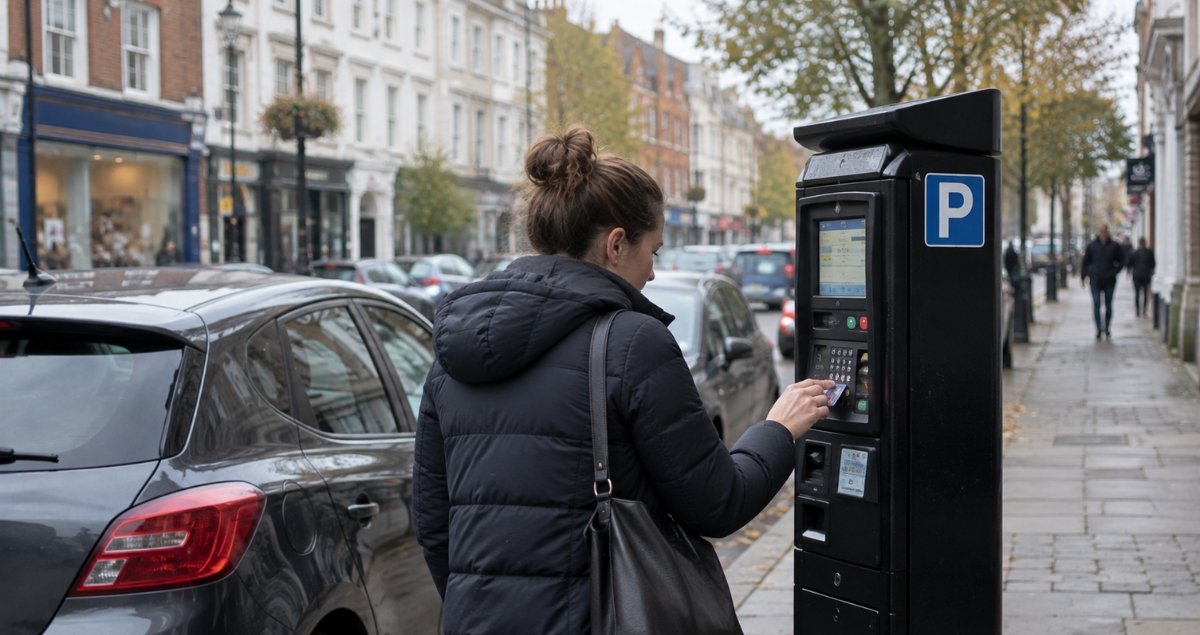
London has the highest short-stay parking rate in the UK — up to £10 for two hours in some areas, and average city-wide costs around £14 per hour in some indexes. But when resident permits, short-stay, and commuter rates are combined into an overall cost index, Edinburgh ranks as the UK's most expensive city to park in overall, with Manchester and Bristol also placing in the top five.
Brighton stands out for a different reason: its top all-day commuter parking rate reaches roughly £35 a day — for someone parking five days a week across a working year, that's over £8,000 annually just to leave the car somewhere while at work.
| City / measure | Approx. cost |
|---|---|
| London — highest 2-hour short-stay rate | Up to £10 |
| Edinburgh — most expensive city overall (composite) | Highest combined index |
| Brighton — top commuter day rate | Up to £35/day (~£8,000/year, 5 days/week) |
| Sunderland — cheapest city average | ~£2 |
Missing a parking payment or overstaying doesn't just cost the parking fee — it risks a Penalty Charge Notice on top. Paying promptly within the discount window matters as much as the parking rate itself.
Clean Air Zones: the myth most people believe
Seven English cities currently operate a Clean Air Zone: Bath, Birmingham, Bradford, Bristol, Portsmouth, Sheffield, and Tyneside (Newcastle and Gateshead). Most people assume all of them charge private cars the way London's ULEZ does — but that's genuinely not true everywhere.
| City | Zone class | Charges private cars? |
|---|---|---|
| Birmingham | Class D | Yes — £8/day if non-compliant |
| Bristol | Class D | Yes — £9/day if non-compliant |
| Bath | Class C | No — only taxis, vans, buses, HGVs |
| Bradford | Class C | No — only taxis, vans, buses, HGVs |
| Sheffield / Portsmouth / Tyneside | Class B/C | Generally no for private cars — check the specific zone |
Scotland runs an entirely different system again — Glasgow, Edinburgh, Aberdeen, and Dundee operate Low Emission Zones that ban non-compliant vehicles outright rather than charging a daily fee to enter.
If you're planning a route through several English cities, note that you may need to pay each zone separately on the same day if you pass through more than one — the charges don't combine into a single fee.
Fuel prices: the regional spread
UK fuel prices vary by more than 12p per litre between the cheapest and most expensive regions on a typical day, and by up to 20p or more between individual stations just a few miles apart. Northern Ireland tends to have the highest average prices; Yorkshire & Humber and the East Midlands are often 5–7p below the national average, largely thanks to dense supermarket forecourt competition.
London and the South East carry a premium driven by higher site costs, while parts of Scotland — especially the Highlands and Islands — face elevated prices due to import and transport costs following the closure of Scotland's last oil refinery. Motorway service stations are the most extreme case, charging 15–25p per litre above the nearest off-motorway town.
A note on timing: UK fuel prices have been unusually volatile in 2026, with a significant spike driven by global events. Any specific pence-per-litre figure — including the ones in this article — should be treated as a snapshot in time, not a stable number to plan around. Check current prices before budgeting a long journey.
Cheapest vs most expensive: the summary
| Cost | Generally cheapest | Generally most expensive |
|---|---|---|
| Insurance | South West England | London / Inner London |
| Parking | Sunderland and similar smaller cities | Edinburgh, London, Brighton |
| Emissions charging | Cities without a CAZ, or Bath/Bradford for private cars | London (ULEZ), Birmingham, Bristol |
| Fuel | Yorkshire & Humber, East Midlands | Northern Ireland, Scottish Highlands & Islands, London |
The pattern that emerges is fairly consistent: London and other major cities cost more across nearly every category, while the South West, Yorkshire, and less densely populated regions come out cheaper on most measures — though rural areas can still face elevated fuel prices due to lower forecourt competition.
What you can actually do about it
- Compare insurance every year regardless of postcode — the regional average doesn't mean you can't beat it with the right insurer and no-claims history
- Check whether your specific city's Clean Air Zone actually charges private cars before assuming it does, or doesn't
- Use a live fuel price checker rather than a remembered average, given how much day-to-day and station-to-station variation exists
- Factor parking into your actual commute cost, not just fuel and insurance — as Brighton's £8,000/year example shows, it can be one of the largest line items for regular city commuters
- Consider whether public transport or a car club makes more sense for the highest-cost cities, particularly for low-mileage city dwellers
Frequently asked questions
Why is car insurance so much more expensive in London?
Insurers price based on local risk factors — theft rates, traffic density, claims frequency, and repair costs are all higher in London than in most other UK regions, pushing average premiums to £810 or more compared to under £500 in the cheapest regions.
Do all UK Clean Air Zones charge private cars?
No. Birmingham and Bristol charge non-compliant private cars, but Bath and Bradford only charge taxis, vans, buses, and HGVs — private cars pass through free in those two cities.
Which UK city has the most expensive parking?
It depends on the measure. London has the highest short-stay rates, but Edinburgh ranks as the most expensive city overall once resident permits and commuter rates are included in the comparison.
Why do fuel prices vary so much by region?
Competition density, site costs, and transport/import costs all play a role. Areas with strong supermarket forecourt competition tend to be cheaper, while remote areas, Northern Ireland, and London tend to be more expensive.
Calculators referenced in this guide
Sources
- Quotezone Car Insurance Price Index, 2026
- Confused.com Car Insurance Price Index, 2026
- WTW Car Insurance Price Index, March 2026
- GOV.UK — Driving in a Clean Air Zone
- RAC — Guide to Clean Air and Low Emission Zones
- UK Parking Cost Index 2026, and INRIX parking research
- DESNZ weekly UK road fuel price statistics; RAC Fuel Watch
Insurance, parking, and fuel figures are index averages and indicative ranges from named third-party trackers, not official government statistics for every category, and change over time — particularly fuel prices, which are highly volatile. Always check current, personalised figures before budgeting.