
The 10 Biggest UK Driving Cost Mistakes We See Every Year
Key takeaways
- The single most severe mistake on this list isn't financial at all — it's a new driver losing their entire licence, not just picking up points
- Several of these mistakes stem from rules that changed relatively recently and haven't caught up in most people's understanding yet
- The most expensive mistake, in raw pounds, is usually the quietest one — ignoring depreciation entirely
- Most of these are avoidable with a five-minute check, not a complicated fix
We've built calculators covering nearly every UK driving cost and legal requirement there is, and the same handful of mistakes keep showing up across almost all of them. Some cost real money immediately; others are quieter, compounding costs that only become obvious years later. Here they are, counted down from ten to the single biggest one.
Charging an EV to 100% on a rapid charger mid-road-trip
DC rapid charging slows down dramatically above roughly 80% state of charge, because the battery management system deliberately protects the battery at that point. Charging from 20% to 80% might take under an hour; continuing to 100% can add nearly as much time again for just the last 20%.
🔌 Use the EV Charging Time Calculator →Double-claiming mileage and fuel receipts
HMRC's mileage rate is all-inclusive — it already covers fuel, wear, and a contribution to insurance and depreciation. Claiming actual fuel receipts on top of the mileage rate for the same journeys isn't maximising your claim, it's double-claiming, and it's exactly the kind of thing that gets flagged.
📋 Use the HMRC Business Mileage Calculator →Assuming a 40-year-old car is already tax exempt
The historic vehicle exemption is a rolling one, tied to 1 April each year — not the car's exact 40th birthday. A car can genuinely be over 40 years old and still not qualify, simply because the next 1 April cutoff hasn't arrived yet.
🚙 Use the Historic Vehicle Tax Exemption Checker →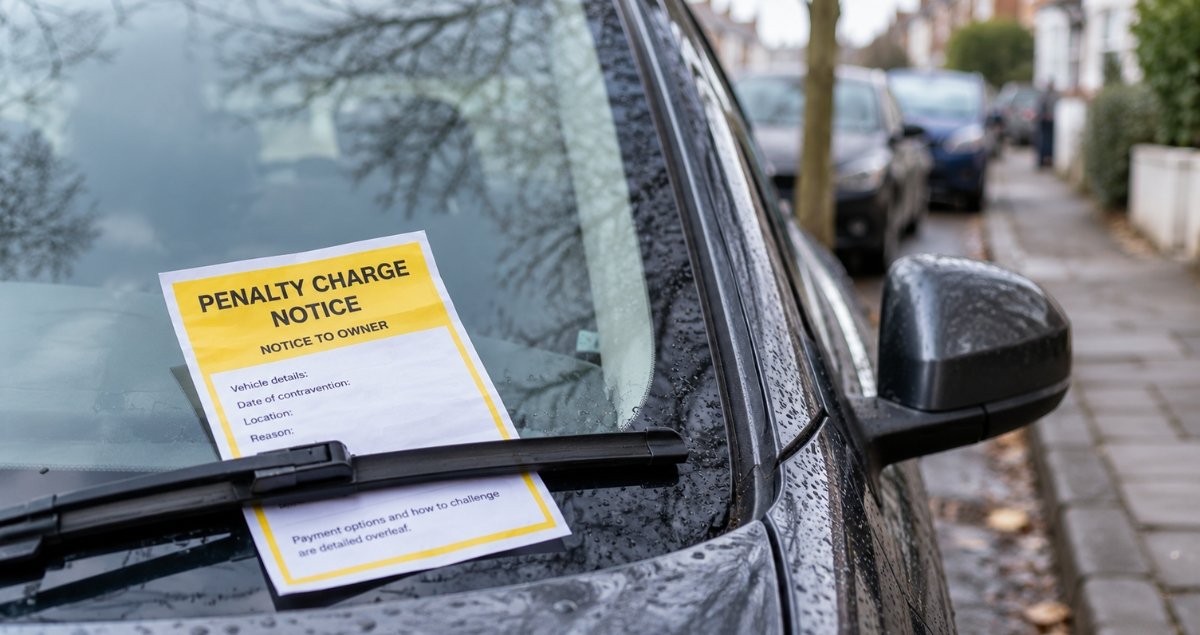
Missing the 14-day parking fine discount window
A Penalty Charge Notice paid within 14 days is typically half the cost of paying it after. Leave it past 28 days without paying or successfully challenging it, and a Charge Certificate can add another 50% on top of the full rate — turning what could have been a £25 problem into a £75 one.
🅿️ Use the Parking Fine (PCN) Calculator →Turning a car seat forward-facing before 15 months
Under the i-Size standard, a baby must travel rear-facing until at least 15 months old, regardless of weight. Older habits based on weight-based seat systems allowed earlier forward-facing — but that's not the rule that applies to most seats sold today.
👶 Use the Child Car Seat Law Checker →Not checking for outstanding finance on a used car
Buying a used car privately doesn't automatically clear any finance the previous owner still owes on it. A vehicle history and finance check is a small cost that can prevent a genuinely serious problem down the line.
Comparing PCP vs HP by monthly payment alone
A lower PCP monthly payment isn't automatically the cheaper option — it's a different shape of the same cost, with a large balloon payment deferred to the end if you want to actually own the car. Comparing total cost, not just the monthly figure, is the only fair comparison.
💳 Use the PCP & HP Car Finance Calculator →We're now into the three mistakes with the biggest genuine financial impact on this list — and none of them involve a single dramatic event. They're all quiet, compounding, and easy to miss entirely.
Ignoring depreciation entirely when budgeting for a car
A new car can lose 15–25% of its value in the first year alone, and 50–60% over three years — yet depreciation is the cost almost nobody actually calculates before buying, simply because it's invisible day-to-day. There's no bill for it, so it's rarely budgeted for, even though it's typically larger than fuel, insurance, and tax combined.
📉 Use the Car Depreciation Calculator →Assuming a used car's tax transfers with it
Vehicle tax has not transferred with a car since October 2014 — a change that's now over a decade old, but the misconception persists. Whatever tax the previous owner had becomes void the moment ownership changes; the buyer must tax the vehicle themselves before driving it, regardless of how much time the seller had left.
🏷️ Use the Road Tax Calculator →And the single biggest mistake on this list isn't about money at all.
Reaching 6 penalty points as a new driver
Under the New Drivers Act, a driver within their first 2 years of passing who accumulates 6 or more penalty points doesn't just get a harsher endorsement — their licence is revoked entirely. They have to reapply for a provisional licence and retake both the theory and practical tests from scratch, as if they'd never passed at all. Two moderate speeding offences can be enough to reach 6 points, which is what makes this the single most severe item on this entire list — nothing else here comes close to the consequence of starting your whole driving qualification over again.
🔴 Use the Penalty Points Calculator →The 30-second recap
- Charging an EV to 100% on a rapid charger — wastes time, not money
- Double-claiming mileage and fuel — HMRC risk
- Assuming a 40-year-old car is already exempt — it's a rolling 1 April rule
- Missing the 14-day PCN discount — doubles the fine
- Turning a car seat forward-facing too early — under-15-months rule
- Not checking used car finance before buying — real complications
- Comparing PCP vs HP by monthly payment alone — compare total cost instead
- Ignoring depreciation — usually the biggest cost of ownership
- Assuming used car tax transfers — it hasn't since 2014
- Reaching 6 points as a new driver — the entire licence is revoked
Frequently asked questions
What's the single most expensive driving mistake in the UK?
In raw financial terms, ignoring depreciation entirely is usually the costliest, since it's typically larger than fuel, insurance, and tax combined and almost nobody budgets for it. In terms of overall consequence, a new driver reaching 6 penalty points and losing their licence entirely is more severe than any single financial cost.
Does car tax transfer when you buy a used car?
No, and hasn't since October 2014. The buyer must tax the vehicle themselves from the date of purchase, regardless of how much time the previous owner's tax had left.
What happens if a new driver gets 6 penalty points?
Under the New Drivers Act, their licence is revoked entirely, and they must reapply for a provisional licence and retake both the theory and practical tests from scratch.
Calculators referenced in this list
Sources
- GOV.UK — New drivers: your licence, and the New Drivers Act
- GOV.UK — Vehicle tax rate tables and rules on buying/selling
- GOV.UK — Child car seats: the rules
- GOV.UK — Parking tickets and Penalty Charge Notices
- HMRC — Approved Mileage Allowance Payments