
What Changed for UK Drivers in 2025-26: The Complete Timeline
Key takeaways
- The EV road tax exemption ended 1 April 2025 — this is now well over a year old, but still widely misunderstood
- The London Congestion Charge rose from £15 to £18/day on 2 January 2026, with a new tiered EV discount replacing the old full exemption
- The Expensive Car Supplement threshold for EVs specifically rose to £50,000 from April 2026, while petrol/diesel/hybrid stays at £40,000
- A reduced drink-drive limit and mandatory eyesight tests for over-70s are proposals under consultation, not yet law — don't budget or plan around them as confirmed
- Driving test booking has been reformed to stop instructors and resellers booking on learners' behalf
A lot has changed for UK drivers since the start of 2025, and it's happened faster than most people's understanding of the rules has kept up. This timeline lays out exactly what's changed, when, and — critically — what's actually confirmed versus what's still just a proposal. We've tagged every entry so you can tell the difference at a glance.
2025
EV road tax exemption ends
Electric vehicles lost their VED exemption. New EVs pay £10 in their first year, then move to the standard rate from year two. EVs already registered between 2017 and 2025 began paying the standard rate at their next renewal.
🏷️ Use the Road Tax Calculator →EV company car tax (BIK) rises to 3%
The Benefit-in-Kind rate for electric company cars rose from 2% to 3% of P11D value, the first step in a gradual increase — still dramatically lower than the 15–37% bands for petrol and diesel equivalents.
🚘 Use the Company Car Tax Calculator →EVs become liable for the Expensive Car Supplement
Electric cars with a list price over £40,000 became subject to the same "luxury car" VED supplement as expensive petrol and diesel cars — £425 a year, on top of the standard rate, for years 2 to 6.
Congestion Charge Cleaner Vehicle Discount ends
The 100% Congestion Charge exemption that electric vehicles had enjoyed for years came to an end, replaced from January 2026 by a smaller, tiered discount rather than a full exemption.
🏙️ Use the Congestion Charge Calculator →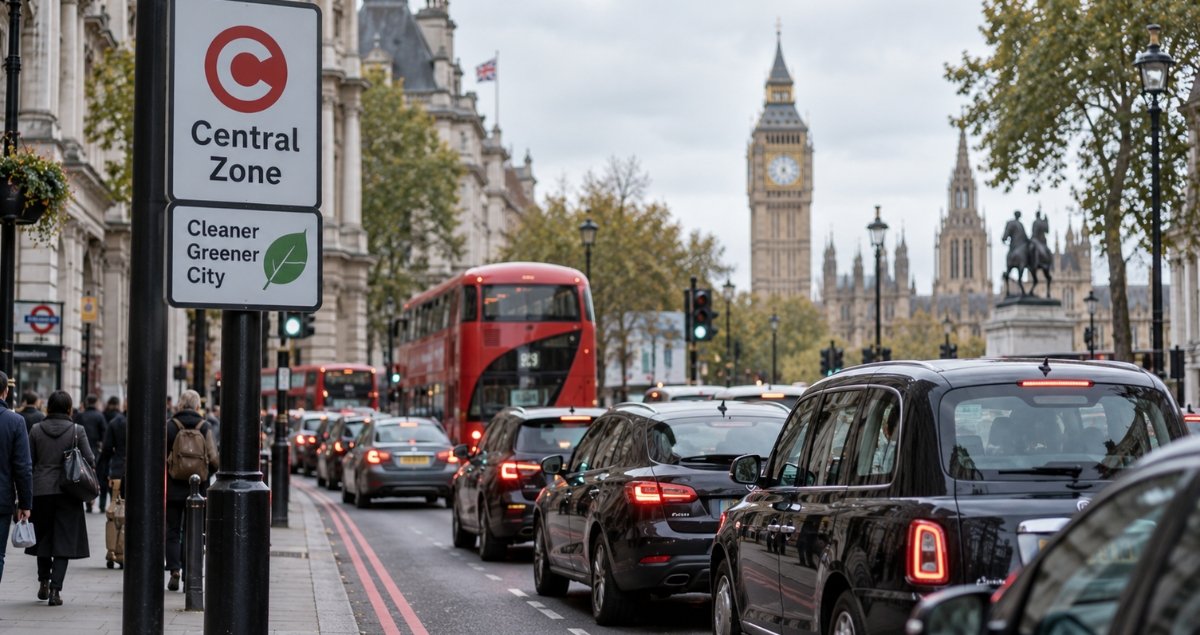
2026
Congestion Charge rises to £18, new EV discount structure
The daily Congestion Charge rose from £15 to £18 (paid on the day or in advance), or £21 if paid within 3 days after travel — the first increase since 2020. Electric cars registered for Auto Pay now get a 25% discount (£13.50/day) rather than a full exemption; electric vans, HGVs and quadricycles on Auto Pay get 50% off (£9/day). The ULEZ remains separate and unaffected, still £12.50/day.
If you've seen older content — including some of ours — quoting a £15 Congestion Charge rate or a next-day payment deadline, that's now out of date. £18 (or £21 within 3 days) is current.
Road Safety Strategy consultation launched
The Department for Transport opened a consultation covering two significant proposals: reducing the drink-drive limit in England and Wales to match Scotland's lower threshold, and introducing mandatory eyesight tests every 3 years for drivers aged 70 and over, replacing the current self-declaration system. Neither is law yet — both are under consultation.
Driving test booking reform
Only learners themselves — not instructors or third-party resellers — can now book and manage their own practical test slots, aimed at tackling the test backlog and bot-driven resale of test slots. Learners are limited to two reschedules before needing to cancel and rebook, and must give at least 10 working days' notice to cancel or reschedule.
🎓 Use the Cost of Learning to Drive Calculator →Standard VED rate rises to £200
The standard annual VED rate for petrol, diesel, and electric cars rose from £195 to £200, in line with inflation uprating.
EV-specific Expensive Car Supplement threshold rises to £50,000
Electric cars now have their own, higher Expensive Car Supplement threshold of £50,000, up from £40,000 — applied retrospectively to EVs registered from 1 April 2025. Petrol, diesel, and hybrid cars remain at the £40,000 threshold. The supplement amount itself also rose, from £425 to £440 a year.
This is a genuinely valuable concession for EV buyers — many popular family-sized electric cars sit in the £40,000–£50,000 range, and this change takes them out of "expensive car" tax territory entirely.
EV company car tax (BIK) rises to 4%
The second scheduled step in the EV BIK increase, up from 3% to 4% of P11D value.
Historic vehicle exemption rolls forward to 1986
Under the rolling 40-year exemption, vehicles manufactured before 1 January 1986 became newly eligible for VED and MOT exemption from this date.
🚙 Use the Historic Vehicle Tax Exemption Checker →Fuel duty cut extended through end of 2026
The 5p-per-litre fuel duty cut, due to expire, was extended by the Prime Minister to stay in place until the end of 2026. Duty is now scheduled to rise by 3p per litre from 1 January 2027, then a further 2p from March 2027, returning the rate to 57.95p per litre.
⛽ Use the Fuel Cost Calculator →Euro 7 emissions standard becomes mandatory
All new cars and vans sold in the UK will need to meet the Euro 7 emissions standard, a further tightening of exhaust emissions requirements.
Looking further ahead
Digital driving licence full rollout
A pilot scheme launched in late 2025 via the GOV.UK Wallet smartphone app. Full rollout is expected by 2027; the physical card will remain valid throughout.
Congestion Charge resident discount becomes EV-only for new applicants
New applicants for the 90% Congestion Charge resident discount will need to drive an electric vehicle to qualify. Existing residents with the discount keep their entitlement regardless of vehicle type.
Pay-per-mile eVED scheme for EVs announced
A new Electric Vehicle Excise Duty scheme has been announced, charging EV drivers 3p per mile and hybrid drivers 1.5p per mile, on top of standard VED, from 2028.
Graduated Driving Licence (GDL) scheme
A proposed scheme that could introduce restrictions on new drivers for a set period after passing their test, potentially including limits on carrying young passengers. Still under discussion, with no confirmed implementation date.
🔴 Use the Penalty Points Calculator →We'll keep this timeline updated as proposals move from consultation to confirmed law, and as new changes are announced. If you're budgeting or planning around anything tagged "proposed," treat it as a possibility, not a certainty.
Frequently asked questions
How much is the London Congestion Charge in 2026?
£18 per day if paid on the day of travel or in advance, or £21 if paid within 3 days after travel — increased from £15/£17.50 on 2 January 2026.
Do electric cars still get a Congestion Charge discount?
Yes, but no longer a full exemption. Electric cars registered for Auto Pay get a 25% discount (£13.50/day); electric vans, HGVs and quadricycles on Auto Pay get 50% off (£9/day).
Has the drink-drive limit changed in England?
Not yet. A reduction to match Scotland's lower limit was put out for consultation in January 2026, but it isn't law — don't assume it's already in effect.
What's the Expensive Car Supplement threshold for electric cars now?
£50,000, up from £40,000, effective from 1 April 2026 and backdated to EVs registered from 1 April 2025. Petrol, diesel, and hybrid cars remain at the £40,000 threshold.
Has the fuel duty cut ended?
Not yet. The 5p-per-litre cut was extended in May 2026 to stay in place until the end of 2026. It's scheduled to rise by 3p per litre from 1 January 2027, then a further 2p from March 2027.
Calculators affected by these changes
Sources
- Transport for London — Official notice, Changes to the Congestion Charge Scheme
- GOV.UK — Vehicle tax rate tables and Expensive Car Supplement guidance
- House of Commons Library — Vehicle excise duty and zero emission vehicles briefing
- British Vehicle Rental & Leasing Association (BVRLA) — VED changes guidance
- Department for Transport — Road Safety Strategy consultation, January 2026
- DVSA — Driving test booking reform announcements