
The Family Driving Safety & Costs Guide (UK, 2026)
Key takeaways
- Children need a car seat until they're 12 years old or 135cm tall, whichever happens first — and the rules change again along the way
- A baby must travel rear-facing until at least 15 months, regardless of weight — a rule many parents don't fully know
- Tyres must have at least 1.6mm of tread across the central three-quarters — this is a legal minimum, not a recommendation
- Stopping distance at 60mph is roughly 73 metres — nearly the length of a football pitch, and it increases sharply with speed and wet roads
- Winter tyres aren't a UK legal requirement, but they genuinely improve grip below 7°C, not just in snow
- Average UK car running costs (excl. depreciation) sit around £3,400/year — before you've added a bigger family car's higher fuel and insurance costs
Family driving involves a specific set of decisions that don't apply the same way to every driver — car seat law that changes as your child grows, safety margins that matter more with precious cargo on board, and running costs that scale up with a bigger, more practical car. This guide walks through all of it, stage by stage, with the calculator for each decision linked as we go.
1Car seats: getting the law right as your child grows
UK law requires a car seat appropriate to your child's weight and height until they're 12 years old or 135cm tall — whichever happens first. That "whichever comes first" detail matters more than it sounds: height alone can end the legal requirement before your child turns 12, so it's genuinely worth checking both, not just assuming age is the only factor.
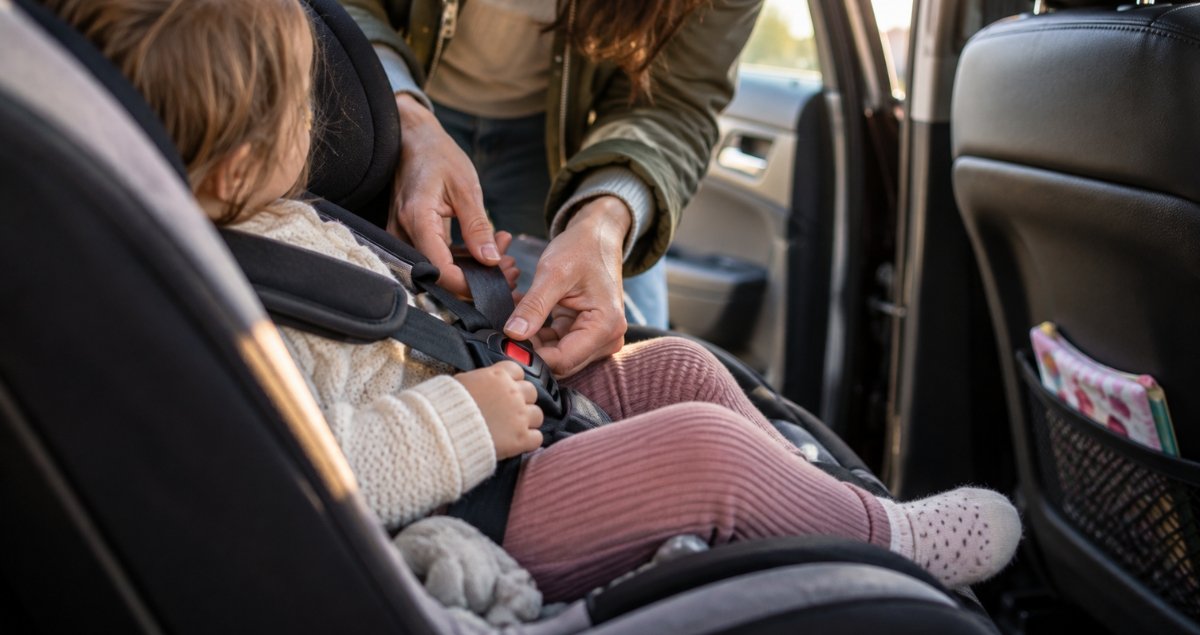
The single most commonly misunderstood rule sits right at the start of this journey: under the i-Size safety standard, a baby must travel rear-facing until at least 15 months old, regardless of how big they seem or how much they weigh. This is stricter than some older seat systems allowed, and it's a genuine safety point, not just a technicality — rear-facing seats offer significantly better protection for a young child's head, neck, and spine in a collision.
👶 Use the Child Car Seat Law Checker →Never fit a rear-facing car seat in a front passenger seat with an active frontal airbag. This is both illegal and genuinely dangerous — the airbag can cause serious injury to a child in a rear-facing seat if it deploys.
2The safety checks that matter most for family cars
With children in the car, the margin for error genuinely matters more, and two things drive that margin more than anything else: tyre condition and stopping distance.
The UK legal minimum tyre tread depth is 1.6mm, measured across the central three-quarters of the tyre's width, around its full circumference. This is a legal minimum, not a safe recommendation — grip in wet conditions falls off meaningfully well before a tyre reaches that limit, so many safety organisations suggest replacing at 3mm rather than waiting until the tyre is legally illegal.
🛞 Use the Tyre Tread Depth Checker →Stopping distance is the other side of the same coin, and it's genuinely counter-intuitive: it doesn't increase in a straight line with speed — it increases with speed squared for the braking portion. That's why the jump from 50mph to 70mph adds far more stopping distance than the jump from 20mph to 40mph, even though the speed increase itself looks similar on paper.
| Speed | Total stopping distance |
|---|---|
| 20mph | 12m |
| 30mph | 23m |
| 40mph | 36m |
| 50mph | 53m |
| 60mph | 73m |
| 70mph | 96m |
3Keeping the family car roadworthy
Cars need their first MOT test from 3 years old, and annually after that. Missing the date isn't just an admin slip — driving without a valid MOT is illegal, and it can also invalidate your insurance if you're involved in an incident while unknowingly out of date.
🔧 Use the MOT Due Date Calculator →4Winter driving with children in the car
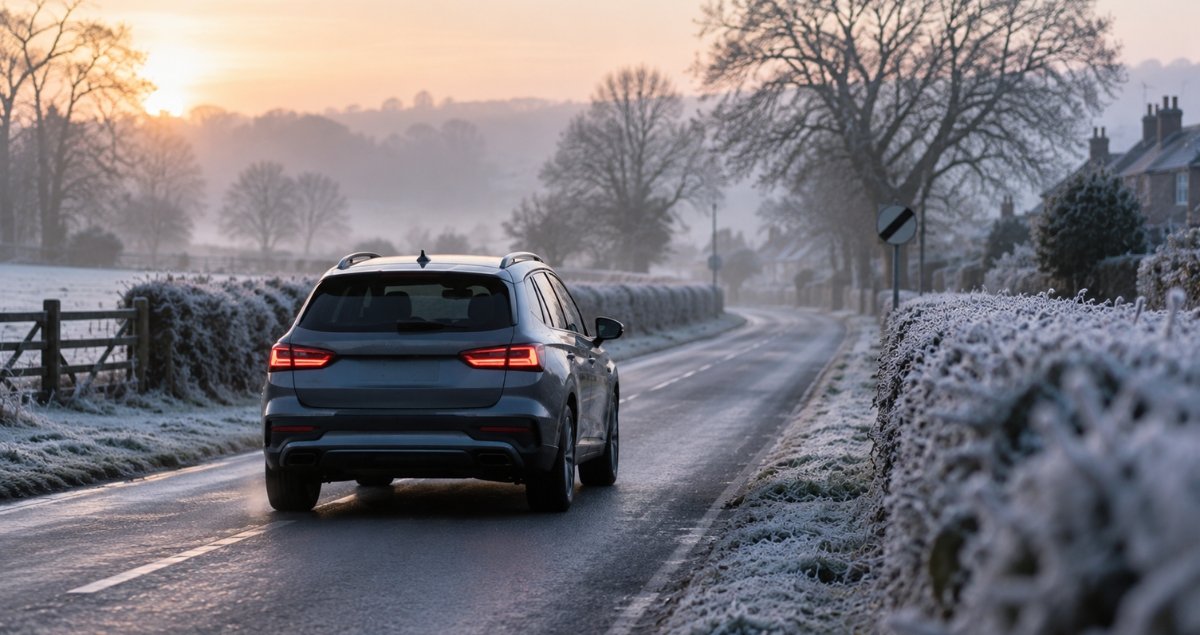
Winter tyres aren't a legal requirement in the UK, unlike some continental European countries — this is a genuine personal decision, not a compliance question. But it's worth knowing the underlying fact behind them: tyre rubber compounds stiffen and lose grip as temperature drops, and winter-specific compounds stay more flexible below roughly 7°C, improving braking and grip even in dry, cold conditions with no snow or ice at all.
❄️ Use the Winter Tyres Cost-Benefit Calculator →Whether a winter set is worth it for your family depends on your specific conditions — rural or exposed-parking drivers benefit more than low-mileage urban drivers on well-gritted routes. There's no single right answer, only a genuine cost-and-risk trade-off to weigh for your own situation.
5The real cost of running a family car
The average UK driver spends around £3,400 a year on running costs alone — fuel, insurance, tax, MOT, and servicing — excluding depreciation. A family car is often larger, does more miles on school runs and family trips, and carries more people and cargo, all of which tend to push real-world costs above that national average rather than below it.
🚗 Use the Car Running Cost Calculator → ⛽ Use the Fuel Cost Calculator →For the full national picture, see our companion guide: Average Cost to Run a Car in the UK (2026).
6Choosing a family car: size, safety, and cost trade-offs
Bigger generally means safer in a collision, more space for car seats and prams, but also higher fuel or energy costs and faster depreciation on some models. Electric family cars can meaningfully reduce running costs if home charging is available, though the higher purchase price and the same-size-fits-family logic apply equally to EVs and petrol cars alike.
⚡ Use the EV vs Petrol Calculator → 📉 Use the Car Depreciation Calculator →
7Long journeys with children
Longer journeys compound everything above: tired drivers, more time at motorway speeds where stopping distance is at its largest, and children who are naturally more restless the longer a trip runs. Regular breaks aren't just about comfort — driver fatigue measurably affects reaction time, which directly affects the real-world stopping distance beyond what the Highway Code figures above assume for an alert driver.
If you're driving an EV on a longer family trip, planning charging stops around the realistic taper in rapid-charging speed above 80% avoids a frustrated, restless car full of children waiting far longer than expected at a service station.
Family car safety checklist
- Correct car seat for your child's current weight and height, fitted correctly
- Rear-facing confirmed until at least 15 months, regardless of weight
- No rear-facing seat in a front seat with an active airbag
- Tyre tread depth checked regularly, all four tyres
- MOT date known and diarised well ahead of time
- Realistic running cost budget in place for the actual car, not just the national average
- Regular breaks planned on any longer family journey
Frequently asked questions
Until what age does my child need a car seat?
Until they're 12 years old or 135cm tall, whichever happens first. After that, an adult seat belt is legally sufficient.
When can I turn my baby's car seat forward-facing?
Under the i-Size standard, not before 15 months old, regardless of weight. This is stricter than some older weight-based seat systems allowed.
What's the legal minimum tyre tread depth in the UK?
1.6mm, measured across the central three-quarters of the tyre's width around its full circumference. Many safety organisations recommend replacing earlier, around 3mm, since wet-weather grip declines before that legal limit.
How much does it cost to run a family car in the UK?
The national average is around £3,400 a year excluding depreciation, but family cars — being larger and doing more miles — often exceed this average rather than sitting below it.
Are winter tyres worth it for a family car?
There's no UK legal requirement, but they do genuinely improve grip below roughly 7°C, not just in snow. Whether they're worth the extra annual cost depends on your specific driving conditions and how exposed your usual routes are to cold and ice.
All tools referenced in this guide
Sources
- GOV.UK — Child car seats: the rules
- RoSPA — Child car seat safety and i-Size guidance
- Highway Code — Typical stopping distances
- DVSA — MOT testing rules and fees
- RAC — RAC Report on Motoring — running cost data
- TyreSafe — Winter and all-season tyre performance guidance